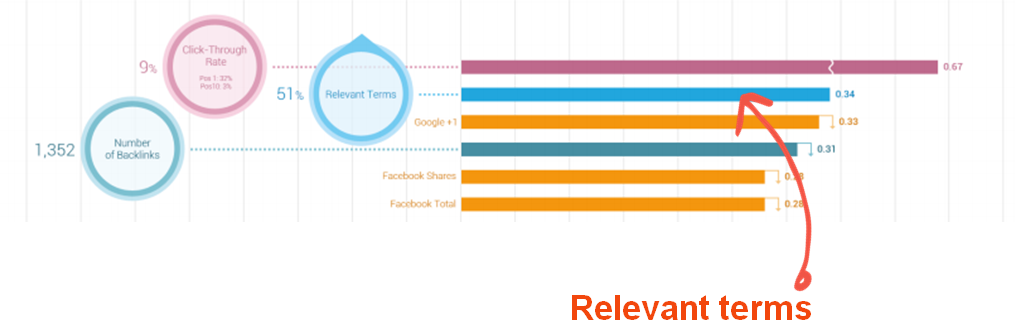
 According to a study from nRelate, a content discovery platform, U.S. adults depend on discernible information published to official websites to educate their purchasing decisions. When it comes time to buy, 44 percent of consumers say they trust custom content from a brand over any other channel. The study also shows that 76 percent of Americans click on subsequent links to related stories for complementary information. This has emerged as the primary information discovery method among U.S. adults, surpassing content links from social connections.
While having high-quality branded content converts leads to sales, businesses would benefit from extended web presences, and the ability to improve transaction rates beyond the confines of their websites. To achieve this, marketers must expand branding by creating consistent content delivery strategies, build social presences to broaden reach and personalize media production to appeal to buyers.
The ever-expanding reach of internet marketing unveiled
Businesses must know who already uses their products and services, and craft marketing materials that speak in languages current customers understand and embrace.
Build a social presence the acts as a site extension, not a lone entity
If websites remain the most trusted resources for consumers, it seems buyers use social media as their traffickers.
In fact, a recent study by Compete, evaluating Old Spice’s “MANta Claus” and “Smell is Power” campaigns, discovered a direct link between the success of social media marketing and an increase in website traffic. If websites remain the most trusted resources for consumers, it seems buyers use social media as their traffickers. According to the source, Old Spice published video content to its YouTube site and increased traffic to 264,969 unique visitors. Additionally, during the same months the company uploaded new visual media to its YouTube Channel, website traffic surged to 56,525 visits – up from the 10,000 to 20,000 visits seen in months past.
Deliver the right content type to foster trust
 Perhaps the most important component of building trust with consumers is the medium used to deliver the overall value proposition. For marketers, knowing the type of content consumers prefer to engage with based upon specific data can help create a content campaign that consistently fosters trust.
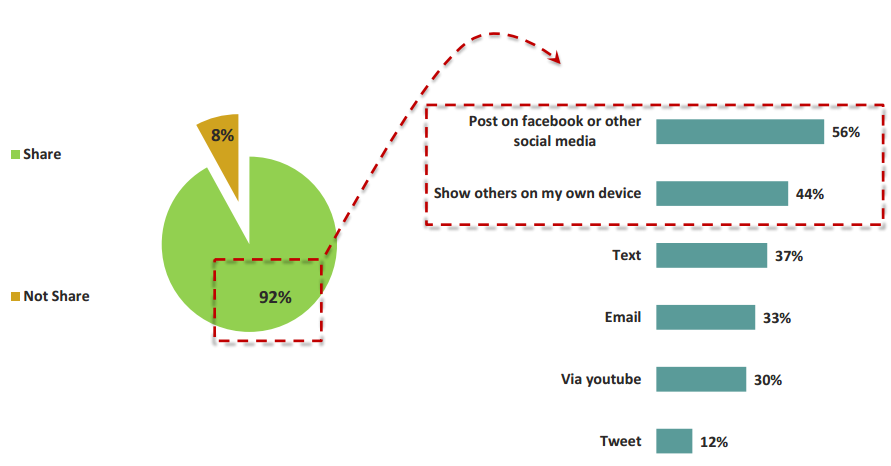
For example, brands that notice their websites serve a growing mobile population may want to alter the type of content they publish based on data from the Interactive Advertising Bureau. The agency found that 92 percent of mobile video viewers share content with their networks. Fifty-six percent republish via Facebook, and 44 percent pass their mobile devices off to friends. As these findings make clear, video content earns the trust of viewers quickly, and people eagerly share media with their friends both online and offline.
Marketers can only build trust with prospects when they understand their clients’ online purchasing behaviors. Conversions may come from website content, but the preliminary process of driving users to sites occurs in numerous ways. Building branded extensions via social media and delivering the right content type in a timely manner can greatly influence long-term sales upticks.